How the home water pump works
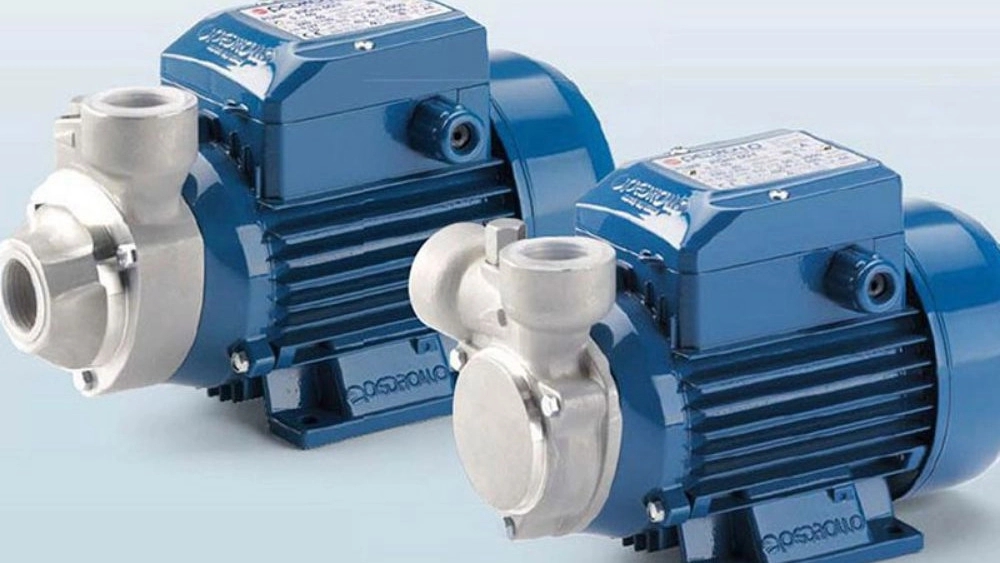
Nowadays, due to the low water pressure of many buildings, the use of water tank and water pump is very common. This device directs the water stored in the tank to the water supply network of the building. In simpler words, a household water pump can direct water to a high height by converting electrical current into mechanical energy.
Probably next to the water storage tank and pump, a small red or blue tank You have also seen This pressure tank, which is also known as a pressure source, is responsible for reducing its depreciation by storing water under pressure and reducing the number of times the pump is turned on and off and increases the life of the water pump.
All kinds of home water pumps
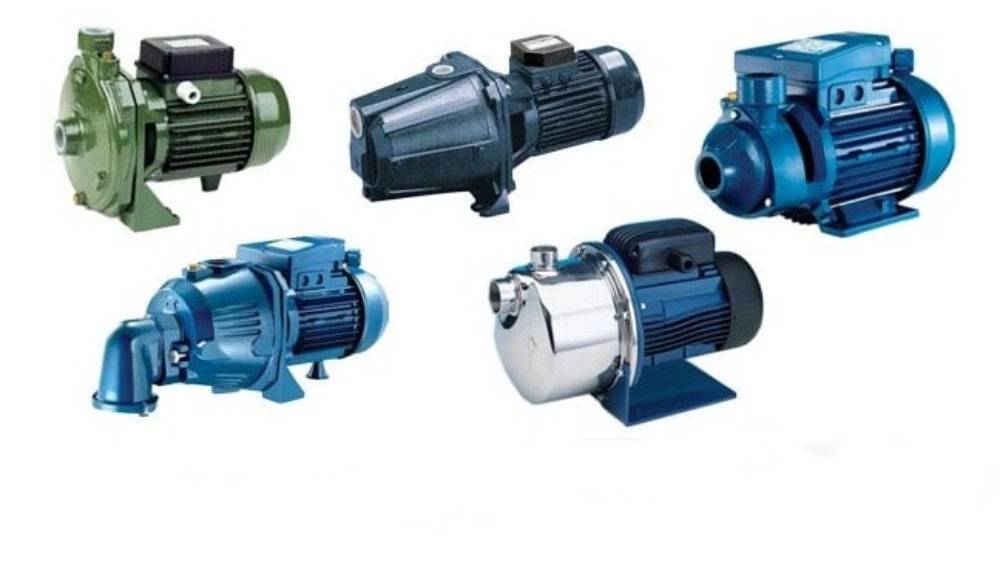
There are different types of household water pumps that are divided depending on the flow rate (volume of water per unit of time) and water supply height. However, in general, domestic water pumps are usually divided into two categories: jet pumps and plate pumps. In the following article, you will learn more about the types of pumps.
Jet pump:
Jet or self-priming pumps can be installed several meters above the water tank depending on the air pressure. Of course, the force used for suction will naturally decrease from the head or the maximum water supply height of the pump. These pumps are relatively noisy.
Plate Pump:
These pumps have lower (maximum water supply height) compared to jet head pumps at equal powers. On the other hand, they have more discharge (volume of water per unit of time). Plate pumps are not self-priming and the storage source must be installed at a height equal to or higher than these tanks.
Floating pump:
Submersible pumps usually do not have a pressure tank and pump water from inside the well, and for this reason, the energy consumption of these types of pumps is much lower than jet pumps. Submersible pumps are mainly used to transfer water from deep wells.